Showing posts with label body. Show all posts

My love affair with Tea!

September 20, 2013


Sodas can have some serious negative effects on your body when consumed regularly and I really want to take steps to a healthier lifestyle. I’ve actually succeeded at cutting soda out and I’ll tell you why...

I treat myself to tea.

I think we all like to be treated to something special. When I would bring a soda or an energy drink to work I felt like it was a special treat to myself; a pick-me-up for the long work day. When my heart started to flutter from drinking too many energy drinks I decided to stop and stop fast.

My treasured Finding Nemo thermos
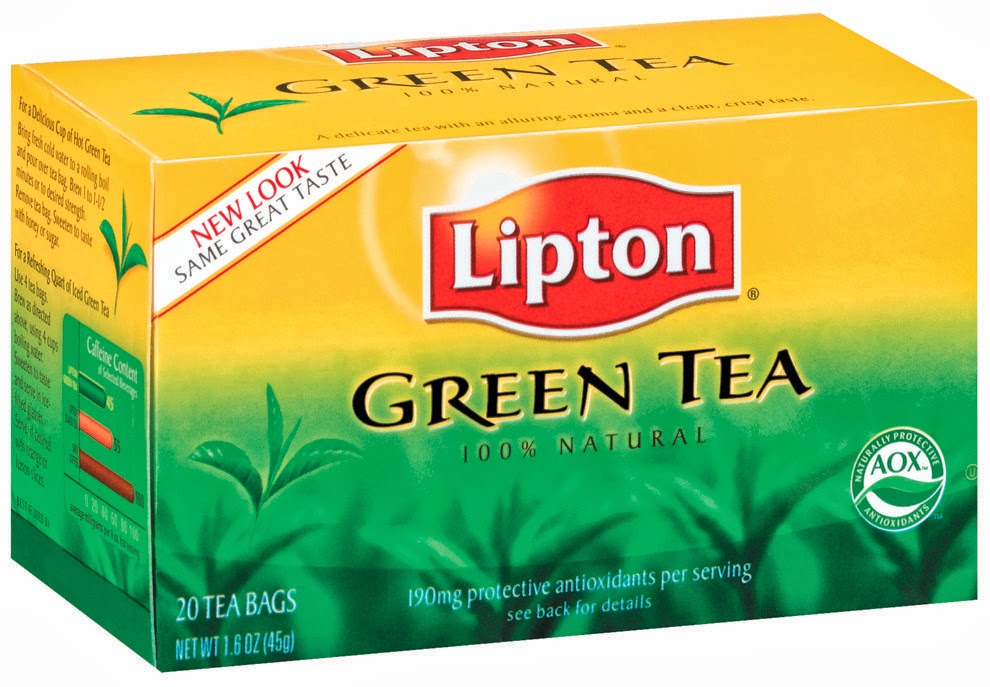
Now, instead of bringing sodas or energy drinks to work I brew myself my own cup of green tea every morning with a spoonful of local honey. It's healthier, cheaper and with still enough caffeine (you can also get decaffeinated) to brighten your day.

Plain tea can be a healthful, calorie-free beverage, but be careful how much cream, sugar, and flavorings you add into your cup, add too many and your once-healthful drink becomes a rich dessert. I favor natural honey because unlike processed sugar and artificial sweeteners, honey is antioxidant rich and does your body good while taking the edge off your tea.

Laboratory studies suggest that tea may reduce cholesterol levels, help prevent blood clotting, lower the risk of Alzheimer's and Parkinson's disease, heart disease, and even fight inflammation, cancer, and seasonal allergies.

Also ladies, studies suggest these possible health benefits specifically for women:

  • Black and green tea may lower risk for ovarian cancer.

  • Green tea may reduce breast cancer risk.

There are several different teas to choose from, each one delicious and beneficial in it's own right. Try them out!

Walking

September 16, 2013

I love walking!

I used to walk every day before I moved into the apartments we just moved out of, I didn’t feel comfortable enough in those surroundings to get outside and walk around the neighborhood. Now that we are back in a friendly environment, I’ve begun walking again.

That’s my aerobic exercise, walking. Adding aerobic exercise or “cardio” to your workout routine has numerous health benefits including building endurance and strengthening your heart, reducing the risk of heart attacks and high blood pressure. Aerobic workouts also help you burn calories and lose weight.

Aerobic exercise is physical exercise of relatively low intensity. You should be able to carry out short conversations while doing aerobic exercise. If you are having trouble getting enough air while you’re talking, you are most likely performing anaerobic exercise. Anaerobic exercise is medium to high intensity exercise that concentrates on building strength, speed and power. In some cases anaerobic exercise occurs simultaneously with aerobic exercise.

I carry stress in the muscles surrounding and associated with my spine, when affected I get incredibly tense and painful. Sometimes I’ve had to start walking slow until the muscles start to relax and pick up speed as I go. No matter how I feel when I first start walking, I always feel great when I’m finished. I suggest cardio for at least 20 to 30 minutes three to five times a week.

I get up at 5:20, walk from 5:30 to 6:00 and then get ready for work. It’s a really great way to start the day: you feel awake, alert and ready to go!

Gunnar glasses

April 11, 2013


I work in an office and stare at a computer screen for almost eight hours a day, then I go home and stare at my own computer screen for another three or more hours. My eyes are so frazzled that lately I’ve developed blurred vision and debilitating headaches.

Eyestrain is a condition that manifests itself through a number of non-specific symptoms; fatigue, pain in or around the eyes, blurred vision, headaches and occasional double vision to name a few. This condition can occur after reading, computer work, gaming, or other similar activities that involve tedious/repetitive visual tasks. In addition, high efficiency fluorescent lighting and computer monitors emit blue lighting that our retinas find more difficult to focus on than the rest of the spectrum.

When concentrating on visually intense tasks, the ciliary muscle tightens, causing the uncomfortable symptoms listed above. The ciliary muscle is a ring of smooth muscle in the eye’s middle layer that controls the ability to view objects at varying distances.

I’ve written a blog about relieving eyestrain before, so some of this information may look familiar, but recently I was able to purchase a pair of Gunnar glasses to help with the eyestrain and I have to say, they feel amazing. The tightness at the corner of my eyes is no longer there and the dry burning sensation is also gone. I was skeptical about the yellow lenses at first, but they are subtle enough. Gunnar Computer Glasses shift blue light to the warmer end of the spectrum, giving your tired eyes a chance to recover. Not only do they filter blue light, they also reduce glare, helping with eyestrain even more.

Features

  • Black and brushed aluminum finishes
  • diAMIX lens material - a custom blended proprietary polymer, which beats out polycarbonate on the toughness scale and rivals the undisputed optics of ground glass
  • i-FI lens coatings - anti-glare coatings that filter out harsh artificial reflected light
  • iONIK lens tint - Specially formulated tints condition and shift the color spectrum to provide superior contrast, detail and resolution
  • Light weight and comfortable. GUNNAR frame systems are engineered for optimal weight, comfort and durability.

There are other brands of computer glasses, but I bought Gunnar because I heard that it was one of the best. I highly recommend getting a pair of anti-reflective glasses to any gamer or computer enthusiast.

I bought my pair from Thinkgeek. They had a special at the time so they were actually cheaper than they are on Gunnar's site.

Tooth care

April 4, 2013


I visited the Dentist last Tuesday and there’s some bad news…I have a cavity. The second cavity of my life and I am completely disappointed in myself. I brush my teeth twice a day, in the morning and night, and floss semi-regularly but apparently I am not thorough enough.

I plan on bolstering my tooth care, so I’ve done a little research and put together a little something for me and for you.

Tooth decay is the destruction of tooth structure and can affect both the enamel (the outer coating of the tooth) and the dentin layer of the tooth. Dentin is the hard, dense, bony tissue forming the bulk of a tooth beneath the enamel.

Tooth decay occurs when foods containing carbohydrates (sugars and starches) are left on the teeth. Bacteria that live in the mouth digest these foods, turning them into acids. The bacteria, acid, food debris, and saliva combine to form plaque, which clings to the teeth. The acids in plaque dissolve the enamel surface of the teeth, creating holes in the teeth called cavities.

To prevent tooth decay:

  • Brush your teeth at least twice a day with a fluoride-containing toothpaste. It is preferable to brush after each meal and especially before going to bed.
  • Clean between your teeth daily with dental floss or interdental cleaners.
  • A mouth rinse containing fluoride can help prevent tooth decay.
  • Eat nutritious and balanced meals. Avoid carbohydrates such as candy, pretzels and chips, which can remain on the tooth surface. If sticky foods are eaten, brush your teeth soon afterwards.
  • Ask your dentist about dental sealants (a plastic protective coating) applied to the chewing surfaces of your back teeth (molars) to protect them from decay.
  • Visit your dentist regularly for professional cleanings and oral exam.

Always remember that your gums need love too. Treat them as well as you do your teeth to prevent gum disease.

Anti-inflammatory foods

February 4, 2013


www.gutsyhealth.com

Food is fuel the body’s organs use to perform at optimal levels. The largest organ of your body is your skin, so it makes perfect sense that a poor diet full of inflammatory foods will cause the body to break down. For example, Acne is an inflammatory disease and all of its lesions are inflammatory.

The food we eat is converted to sugar as it is digested. Foods that are rapidly converted to sugar are a problem. Prevent rapid rises in blood sugar, rapid rises cause an insulin response in the body which leads to an inflammatory response.

Above is a list of good anti-inflammatory foods created by Susan at GutsyHealth.com These foods should be supplemented into your daily diet over other more inflammatory foods.

New facial regimen

January 21, 2013


One of my New Year’s resolutions is to start a beautyregimen.

I want to start with my face. I would love to have the perfect complexion.

Sometimes I get way too lazy when it comes to washing my face. I think to myself, I can leave the makeup on until the morning, it’s only a few more hours, no big deal. It is a big deal.

I’m pretty sensitive about my skin thanks to a bad bout of acne back in the day. I think it’s the thing I notice and dislike the most if I had to critique myself. The acne is gone now, although occasionally a few zits will rear their ugly heads, but it’s left my skin in a pretty temperamental state.

My new favorite brand of skin care product is Burt’s Bees. I love how natural most of the ingredients are and their branding really catches my attention. My mother-in-law gifted me the necessities for Christmas and now I am going to start a daily regimen. I’m so pumped! Here’s the plan…

Every morning steam/exfoliate face with a hot washcloth. Apply daily moisturizer and then make up.
Apply Chap Stick as needed.
Every night use cleansing towelettes and toner. Steam/exfoliate face with hot washcloth. Apply night cream and eye cream.

It doesn’t even look that difficult! I’ll try it out and let you all know what the results are in about a month and if I needed to adjust anything due to dryness or irritation.

My elliptical and me

January 14, 2013


One of my new year’s resolutions is to tone my body.

When I was a teenager, I was fortunate to have a good metabolism, I weighed 110 lbs. at the most and at 5’2’’ tall I felt extremely comfortable in my own body. Since then I have put on more weight as my metabolism slacked off and my bad habits grew. This is uncomfortable for me to tell you, but at the most I weighed 145 lbs. Since then I’ve lost 10 lbs. and right now I weigh 135 lbs. My goal is to be 120 lbs., in good shape, with good eating habits.

I bought myself an elliptical with my Christmas money and I can’t wait to start using it on a daily basis. My plan is use it in the evenings when Cameron and I watch movies. I will start with 20 minutes on tension level 1 the first week and add 20 minutes each week until I hit an hour, then work my way up the tension levels in a similar fashion.

Adding aerobic exercise or “cardio” to your workout routine has numerous health benefits including building endurance and strengthening your heart, reducing the risk of heart attacks and high blood pressure. Aerobic workouts also help you burn calories and lose weight.

Aerobic exercise is physical exercise of relatively low intensity. You should be able to carry out short conversations while doing aerobic exercise. If you are having trouble getting enough air while you’re talking, you are most likely performing anaerobic exercise. Anaerobic exercise is medium to high intensity exercise that concentrates on building strength, speed and power. In some cases anaerobic exercise occurs simultaneously with aerobic exercise.

The long term effects of fast food

January 7, 2013

One of my new year’s resolutions is to “eat fast food only occasionally, if at all.”

Starting this week, I will begin to limit my consumption of fast food meals. I eat fast food way too often for my own good. It has become something quick and easy to grab, instead of taking the time to plan healthy meals. For the first month I will allow myself up to two fast food meals a week. The second month I will only allow myself up to one fast food meal per week. The third month I will allow myself up to one fast food meal every two weeks. After that month is over I will only have fast food on occasion, if at all.

To help myself adjust to this transition, I’ve found this infographic below that has some great facts and figures about the negative effects of fast food on the human body, provided by nutritionist Kimberly Snyder.


[Via: The Long-Term Effects of That Fast Food Meal]

The negatives of drinking soda

December 31, 2012


One of my new year’s resolutions is to “drink soda only occasionally, if at all.”

Starting this week, I will begin to limit my consumption of soda. I do not drink soda every day, but I do drink it more than once a week which is definitely more often than I should. For the first month I will allow myself up to two sodas a week. The second month I will only allow myself up to one soda per week. The third month I will allow myself up to one soda every two weeks. The fourth month I will not allow myself any soda at all. After that month is over I will only have sodas on occasion, if at all.

To help myself adjust to this transition, I’ve put together a number of facts regarding the harmful effects of soda. The infographic above has some great facts and figures provided by Term Life Insurance. Below you can find some extra facts I was able to find independently.

  • With a pH of about 2.5 (about the same as vinegar), soda is the most acidic beverage you can buy. Why does that matter? Acid oxidizes whatever it comes in contact with. For example, if you put soda or vinegar on metal it will rust it quickly. Think of the effect something like that would have on your body!
  • The high levels of phosphorus contained in sodas can leach calcium from your system. Osteoporosis, tooth loss, periodontal disease and gingivitis can be problems associated with a high phosphorus intake.
  • For those of you with a diet soda in your hands, the news isn’t any better, in fact it’s worse! One liter of an aspartame-sweetened beverage can produce about fifty-six milligrams of methanol. When several of these beverages are consumed in a short period of time as much as two hundred fifty milligrams of methanol are dumped into the bloodstream. Methanol is toxic to the human body.
  • Then there’s the caffeine. Caffeine withdrawal can strike people who drink a single cup of strongly brewed coffee or drink caffeinated soft drinks regularly. Caffeine-withdrawal symptoms include not only headache, but also fatigue, mild depression, muscle pain and stiffness, flu-like feelings, nausea and vomiting.

I invite any of you to join me in this resolution. Soda, although tasty, is not beneficial to our bodies at all and can be removed from our diet with a little effort and support.

A letter to my stomach

November 21, 2012

Dear stomach,

Please note that although there will be a delicious looking banquet of food unfolded before you tomorrow, on Thanksgiving day, you are to exercise moderation. Know that this is not a race to see how fast you can finish the plate and not a contest to see how much you can fit within; there will be leftovers.

I don’t know what you’ve been lead to believe, but this will not be the last food you will ever see, no. No, we can even make some of these dishes throughout the year, rather than wait for one day to use the excuse to eat as much of each dish as we can.

Know that, I the mind, will do my best to restrain your temptations, but please for the sake of abdomen, butt and thighs, keep yourself under control. We have a high school reunion to prepare for my friend.

Signed,

The management.

Do the mashed potatoes!

November 15, 2012


I will be spending Thanksgiving with my husband’s (and now my) family and I am happy to be contributing to the meal!

When I found my husband was contributing a pumpkin cheesecake and pumpkin soup, I felt the need to share something I could make as well…mashed potatoes!

Mashed potatoes are incredibly simple to make.

  • You start with potatoes, what type is your preference, I normally use russet.
  • Peel each potato using a potato peeler or knife.
  • Cut each potato into bite size pieces and rinse one final time in the sink to get any extra dirt off.
  • Place the potatoes in a pan of water large and full enough for the water to cover all the potatoes.
  • Boil potatoes until soft. You can test this by sticking a fork into a piece and pushing it against the side of the pot.
  • Drain the water and mash up the potatoes. You can use a utensil or hand mixer.
  • If potatoes are too dry you can add a little bit of liquid. Water, milk or broth (by preference).
  • Add butter and whichever seasoning you would like, it’s your potatoes!

I’m usually a huge fan of recipes with exact measurements, but really, mashed potatoes are all about personal preference. You take a core food and build on it.

How do you like your mashed potatoes?

Apples = amazing

November 5, 2012


I am going to take a moment of your time to gush about apples.

Fall brings the season of apples, apples are plentiful this time of year and one of the reasons I love this season. Apples are my favorite fruit. Why? They are easy to find, easy to serve, always affordable and extremely good for you.

Apples are packed full of antioxidants and a fiber called Pectin. Pectin is a soluble, fermentable and viscous fiber; a combination with a huge number of health benefits.

  • The free-radical fighting power of the natural antioxidants found in an apple help prevent aging effects and breakdown of the brain; reducing the risk of Alzheimer’s and Parkinson’s disease.
  • Red apples contain an antioxidant called Quercetin that can help boost and fortify your immune system; reducing the risk of sickness.
  • Several compounds found within the apple’s peel and in the apple itself help prevent the growth activity of cancer cells in areas such as the liver, colon and breast.
  • The fiber in apples lowers cholesterol by binding with fats in the intestines and passing it out of the bodies’ system. In slowing the build up of cholesterol and preventing the cholesterol in your system from solidifying, the fiber in apples also helps keep the arteries and heart cleaner and reduces the risk of heart disease.
  • The fiber in apples will help you maintain weight by filling you up without costing too many calories.
  • Biting and chewing on apples stimulates saliva production in the mouth. Saliva reduces tooth decay by lowering levels of bacteria.

This is only a short list of the benefits of apples. I could go on longer than you dare to read. Suffice to say, they are incredibly good for you and it is very true that “an apple a day keeps the doctor away”.

How do you consume apples?

I like to eat them cut into small pieces for easy snacking (better than chips while you're gaming!). When I feel more ambitious I will cook them with a little cinnamon sprinkled on top or convert them into homemade applesauce. And then there is the always amazing fresh apple cider…or any apple cider for that matter.

Homemade hot cocoa mix

November 1, 2012


  • 3 cups non-fat powdered milk
  • 2 cups powdered sugar
  • 1 ½ cups unsweetened cocoa powder
  • 1 ½ cups white chocolate chips
  • ¼ teaspoon salt

Mix ingredients together into a large bowl. Pour about half the bowl’s contents into a food processor and process until smooth. Repeat with second half of the bowl’s contents. Store in an air-tight container.

This recipe yields about 20 servings.

To drink: Add 1/3 cup cocoa mix to 1 cup hot milk. Milk must be hot or it will not absorb the powder.

Roasted pumpkin seeds

October 29, 2012


  • 2 Cups Pumpkin Seeds
  • 1 Quart Water
  • 2 Tablespoons salt
  • 1 Tablespoon Melted Butter or Vegetable Oil

  1. Preheat the oven to 250 degrees.
  2. Bring water and salt to a boil. Add the seeds and boil for 8 to 10 minutes
  3. Drain the seeds in a colander and spread them on a paper towel to dry.
  4. Melt the butter. Put the dry seeds and butter in a large bowl and toss until the seeds are evenly coated.
  5. Spread the seeds in a single layer on a cookie sheet (feel free to add more salt if needed).
  6. Bake for 30 to 40 minutes until they reach a light, golden brown color. Stir seeds every 10 minutes during cooking.
  7. Cool the seeds completely before eating.

You can remove the hulls from the seeds after roasting or eat the seeds hull and all. Keep roasted seeds in airtight containers.

Managing stress

October 18, 2012


Managing stress is tough. Between situations at work and trying to consistently update this blog and my YouTube channel; I am teetering on the edge of my stress limit right now and it’s not a good feeling.

Excess stress can manifest itself in a variety of emotional, behavioral, and even physical symptoms. Common physical symptoms include sleep disturbances, muscle tension, muscle aches, headache, gastrointestinal disturbances, and fatigue. Emotional and behavioral symptoms that can accompany excess stress include nervousness, anxiety, changes in eating habits including overeating, loss of enthusiasm or energy, and mood changes, like irritability and depression. I personally have experienced each one of these symptoms from stress at different times.

Beyond a take-charge approach and a positive attitude, you can reduce stress in your life by nurturing yourself. If you regularly make time for fun and relaxation, you’ll be in a better place to handle life’s stressors when they inevitably come along. Below is a list of activities you can do to release stress.

  • Go for a walk.
  • Spend time in nature.
  • Call a good friend.
  • Sweat out tension with a good workout.
  • Play video games.
  • Write in your journal.
  • Take a long bath.
  • Light scented candles.
  • Savor a warm cup of coffee or tea.
  • Play with a pet.
  • Work in your garden.
  • Get a massage.
  • Curl up with a good book.
  • Listen to music.
  • Watch a comedy

Normally playing video games is my number one stress release activity and I highly recommend it to anyone who can prioritize their time. When I can take a portion of my day, preferably before I go to bed, to play a video game it calms me down and relaxes me, even if it’s a tense game. It’s not only taking time for yourself, it’s absorbing yourself in a plot and setting that are disconnected and separate from your everyday life.

How do you relieve stress?

Healthy snack suggestions

October 15, 2012


Here are some natural low calorie snacks for you to munch on between meals. Remember that fruits and vegetables trump processed foods any day, but I will post some processed snacks as well as tutorials in the near future. These are the basic items you can use to make healthy snacks, they are best used in their natural form, but you are welcome to add a little peanut butter here or a dash of low-fat dressing there.

Don’t drown your food!


Dairy

Cottage Cheese
Yogurt

Fruits

Apple
Apricot
Banana
Blackberries
Blueberries
Cantaloupe
Cherries
Cranberries
Grapes
Honeydew
Kiwi
Olives
Orange
Peach
Pear
Pineapple
Plum
Raisins
Raspberries
Strawberries
Tangerine
Tomatoes

Meats & Poultry

Chicken Meat
Hardboiled Egg
Prosciutto
Turkey Jerky
Turkey Meat
Tuna Jerky

Nuts & Seeds

Almonds
Brazil Nuts
Cashews
Macadamias
Peanuts
Pecans
Pistachios
Pumpkin Seeds
Sunflower Seeds
Walnuts

Vegetables

Bell Peppers
Broccoli
Cauliflower
Carrots
Celery
Edamame
Green Beans

I am always looking for new snacks to enjoy that won’t take up too many calories in my day, so feel free to make suggestions!

Portion control

October 8, 2012


www.infinitelifefitness.com


As we sail into the season of giving, let’s face it; it’s also the season of eating. Feasting on large portions of food and snacking on sweet treats will really get to you if you don’t know how to control your portions. This is something that will sneak up on you if you don’t pay attention.

The basic items to compare your portions to are:

  • A deck of playing cards = one serving (three or four ounces) of meat, poultry, or fish.
  • Half to a whole baseball = one serving of fruit, vegetables, pasta, or rice.
  • One domino = one serving (one ounce) of cheese.
  • One tennis ball = one serving (one cup) of yogurt or chopped fresh greens.
  • One golf ball = one serving (2 tbsp.) peanut butter, jam or salad dressing.
  • One die = one serving (one tsp.) of butter.

Some helpful tips on keeping your portions relatively small:

  • Eat breakfast every day.
  • Eat three smaller meals with two light snacks between meals.
  • Pay attention to what you are eating and fully enjoy the smell and taste of your foods.
  • Eat slowly so your brain can get the message that your stomach is full.
  • Take seconds of vegetables or salads instead of higher-fat, higher-calorie parts of a meal such as meats or desserts.
  • Avoid eating in front of the TV or while busy with other activities like gaming. It’s easy to get distracted and lose track of how much you’ve eaten.
  • If you eat out get a doggie bag for half of your meal.
  • Or, if you eat out split a meal or dessert with a friend.
  • Ask for salad dressing, butter, and sauces on the side so you can control how much you use.
  • Break down leftovers.

Vitamin C

October 1, 2012

The sick season is upon us! It’s that special time of year when everyone seems to catch a cold, the flu or both. Every time I get sick my Mom drills me relentlessly; “Have you taken Vitamin C?” “You should take some Vitamin C.” “Well you would feel better if you had listened to me in the first place and taken your Vitamin C.”

So what’s so great about Vitamin C?

Vitamin C is one of the safest and most effective nutrients. It may not be the cure for the common cold, but it is thought to help prevent colds and more serious complications. The benefits of Vitamin C may include protection against immune system deficiencies, cardiovascular disease, prenatal health problems, eye disease and even skin wrinkling.

Adults are supposed to have 75-90 mg of Vitamin C a day. However some experts say you really need to take around 500 mg a day to reap all the health benefits this nutrient has to offer. Unless you eat large portions of fruits and vegetables that yield Vitamin C a day, you will need to take supplements to reach this amount.

Let’s take a look at how much Vitamin C is in specific foods.

  • Broccoli, cooked, 1cup: 74mg
  • Cantaloupe, 1 cup (8 ounces): 59mg
  • Green Pepper, ½ cup: 60mg
  • Kiwi, medium sized: 70mg
  • Orange: 70mg
  • Orange Juice, 1 cup: 97mg
  • Red Cabbage, ½ cup: 40mg
  • Red Pepper, ½ cup: 95mg
  • Tomato Juice, 1 cup: 45mg
  • One grapefruit has about 88 mg of vitamin C.

Keep yourselves healthy this season gamers!

Sleep is a priority

September 24, 2012


When we are able to get a good night’s sleep, we wake up feeling refreshed and alert for our daily activities. Sleep affects how we look, feel and perform on a daily basis, and can have a major impact on our overall quality of life.

To get the most out of our sleep, both quantity and quality are important. Most adults need at least 7 to 9 hours a night of uninterrupted sleep to leave the body and mind rejuvenated for the next day. When we don't get adequate sleep, we accumulate a “sleep debt” that can be difficult to pay back if it becomes too big. The resulting sleep deprivation has been linked to health problems such as obesity and high blood pressure, negative mood and behavior, decreased productivity, and safety issues in the home, on the job, and on the road. If sleep is cut short, the body doesn’t have time to complete all of the phases needed for muscle repair, memory consolidation and release of hormones regulating growth and appetite. Then we wake up less prepared to concentrate, make decisions, or engage fully in school and social activities.

Make sleep a priority. Instead of falling asleep after you’ve gotten everything else done, make an effort to stop doing other activities at a certain time and get the sleep you need.

If you are having trouble sleeping, try following one or more of the tips below...

  • Establish consistent sleep and wake schedules, even on weekends.
  • Create a sleep-conducive environment that is dark, quiet, comfortable and cool.
  • Sleep on a comfortable mattress and pillows.
  • Adopt a regular, relaxing bedtime routine (starting an hour or more before the time you expect to fall asleep) such as soaking in a hot bath or listening to soothing music.
  • Use your bedroom only for sleep (avoid watching TV or using a computer in bed).
  • Finish eating at least 2 to 3 hours before your regular bedtime
  • Exercise regularly during the day or at least a few hours before bedtime.
  • Avoid caffeine, nicotine and alcohol products close to bedtime.

This blog is doing wonders for me as I hope it is doing wonders for you, my readers. I am learning so much. After researching sleep for this blog, I have decided to start going to bed one hour earlier at night to improve my daily moods and performance. Of course this means going to bed at 9pm since I wake up at 5am every day, but I will do what I must!

How to read nutrition labels

September 20, 2012

Food labels have always been confusing to me, in fact, researching for this post was as educational to me as I hope it is for you. Before this, I would always look at the calories per serving and serving size with a casual glance down to the sodium. The amount of fats listed boggled me, both to what they actually are and to how much I was allowed. I will go more in depth about what fats are in the near future, but for now I’ve assembled some information on how much you are allowed.

The following information is courtesy of the American Heart Association.

Start here. Note the size of a single serving and how many servings are in the package.

Check total calories per serving. Look at the serving size and how many servings you’re really consuming. If you double the servings you eat, you double the calories and nutrients, including the Percent Daily Value (% DV). If you cut the servings down by a percentage you cut down the calories and nutrients, including the Percent Daily Value (% DV), by that percentage.

Limit these nutrients. These numbers are based on someone who eats between 2,000 to 2,500 calories a day, if you need more or less you will need to adjust your intake value. For the people with 2,000 calorie intakes, you need to limit your total fat to no more than 56–78 grams a day — including no more than 16 grams of saturated fat, less than two grams of trans fat, and less than 300 mg cholesterol. For total carbohydrate, dietary fiber, vitamins and minerals, your daily value goal is to reach 100% of each.

Get enough of these nutrients. Make sure you get 100 percent of the fiber, vitamins and other nutrients you need every day.

Quick guide to % DV. The % DV section tells you the percent of each nutrient in a single serving, in terms of the daily recommended amount. As a guide, if you want to consume less of a nutrient (such as saturated fat, cholesterol or sodium), choose foods with a lower % DV — 5 percent or less is low. If you want to consume more of a nutrient (such as fiber), seek foods with a higher % DV — 20 percent or more is high.

Here are more tips for getting as much health information as possible from the Nutrition Facts label:
  • Remember that the information shown in these panels is based on 2,000 calories a day. You may need to consume less or more than 2,000 calories depending upon your age, gender, activity level, and whether you’re trying to lose, gain or maintain your weight. Find out your personal daily limits on My Fats Translator.
  • Here’s a tip: rather than fill in the weight you are, fill in the weight you want to be so you know the amount of intake you can have each day to reach your goal. For example, I want to be 120 lbs. so I placed that in the weight area instead so I know I need to eat that amount or lower to start losing weight until I reach that point, then it will be maintenance.
  • In general, as you think about the amount of calories in a food per serving, remember that for a 2,000-calorie diet:
    • 40 calories per serving is considered low;
    • 100 calories per serving is considered moderate; and
    • 400 calories or more per serving is considered high.
  • There is no % DV shown for trans fat on the panel because the U.S. Food and Drug Administration (FDA) does not have enough scientific information to set this value. We recommend eating less than 20 calories or (less than two grams of trans fat) a day – that’s less than 1 percent of your total daily calories (for a 2,000-calorie-a-day diet).
  • When the Nutrition Facts panel says the food contains “0 g” of trans fat, it means the food contains less than 0.5 grams of trans fat per serving.
  • When the Nutrition Facts label says a food contains “0 g” of trans fat, but includes “partially hydrogenated oil” in the ingredient list, it means the food contains trans fat, but less than 0.5 grams of trans fat per serving. So, if you eat more than one serving, you could quickly reach your daily limit of trans fat.